
Bali Day of Silence Discover the Profound Magic of Nyepi
Bali is famous for its vibrant festivals and bustling beaches, yet its most significant day is defined by total stillness. The Bali Day of Silence, known locally as Nyepi, marks the Balinese New Year according to the Saka calendar. Unlike New Year celebrations in the West that involve fireworks and parties, the Bali Day of Silence is a day dedicated to self-reflection, fasting, and meditation.
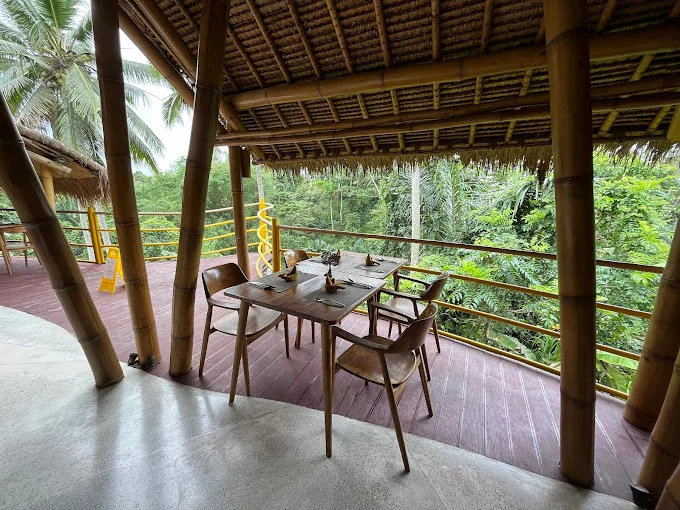
For travelers, witnessing this unique event is a once-in-a-lifetime experience. However, it requires a bit of preparation to fully appreciate the spiritual depth of the island during this period. In this guide, we will explore the rituals leading up to the silence and how you can make the most of this serene atmosphere at Teba Sari.
The Rituals Before the Bali Day of Silence
The days preceding the Bali Day of Silence are filled with colorful energy and ancient traditions. One of the most important ceremonies is Melasti, which takes place three or four days before Nyepi. During Melasti, Balinese Hindus pilgrims carry sacred temple objects to the sea for purification. You will see long processions of people dressed in traditional white attire, creating a stunning visual contrast against the blue ocean.
Following the purification, the island prepares for the “Pengerupukan” ritual. This occurs on the eve of Nyepi and is the polar opposite of the silence that follows. Villages across Bali build giant, demonic statues known as Ogoh-Ogoh. These statues represent negative spirits and environmental pollutants that must be expelled from the island.
The Night of the Ogoh-Ogoh Parade
As the sun sets on the evening before the Bali Day of Silence, the streets come alive with the Ogoh-Ogoh parade. You will hear the rhythmic clanging of gamelan music and see young men carrying these massive bamboo and paper-mache creations on their shoulders.
The atmosphere is electric and chaotic, intended to confuse and frighten away evil spirits. At the end of the night, many of these statues are burned to symbolize the destruction of evil. This ritual serves as a spiritual “spring cleaning” for the soul and the land. Consequently, once the spirits have been chased away, the island must remain silent so they do not return.
Understanding the Four Prohibitions of the Bali Day of Silence
When the clock strikes 6:00 AM on the Bali Day of Silence, the entire island shuts down for exactly 24 hours. There are four main rules, known as Catur Brata Penyepian, that every person on the island must follow:
-
Amati Geni (No Fire/Light): No fires may be lit, and lights must be kept to a minimum or turned off entirely.
-
Amati Karya (No Activity): All forms of work and physical labor are strictly prohibited.
-
Amati Lelunganan (No Travel): No one is allowed on the streets. Even the international airport closes for the day.
-
Amati Lelanguan (No Entertainment): This is a time for silence and fasting, avoiding loud noises or self-indulgent entertainment.
While these rules might seem restrictive, they create an atmosphere of peace that is impossible to find anywhere else on Earth.
Why Travelers Love the Bali Day of Silence Experience
Many tourists initially worry about being “stuck” in their hotels during the Bali Day of Silence. However, most find it to be the highlight of their trip. Without the hum of motorbikes or the chatter of crowds, you can finally hear the sounds of nature. Birds chirp more loudly, and the rustle of palm leaves becomes a symphony.
Furthermore, the lack of light pollution transforms the night sky. Since no lights are allowed, the stars over Bali shine with incredible brilliance. If you are staying at a lush location like Teba Sari, the view of the Milky Way from your balcony will be breathtaking. It is a rare opportunity to disconnect from the digital world and reconnect with yourself.
Essential Preparation for the Bali Day of Silence
Because the island completely closes, you need to plan ahead for the Bali Day of Silence. All shops, ATMs, and pharmacies will be closed for the duration of the day. Therefore, ensure you have withdrawn enough cash and purchased any necessary snacks or personal items a few days in advance.
Most hotels and villas provide full meal services for their guests during Nyepi, so you will not go hungry. However, the staff will be working in limited capacities to respect the tradition. It is important to be mindful of your noise levels and keep your curtains drawn if you use a small reading lamp at night.
Renewal After the Bali Day of Silence: Ngembak Geni
The day following the Bali Day of Silence is called Ngembak Geni. This is a time for forgiveness and social visits. Balinese families visit one another to ask for forgiveness for past mistakes and to celebrate the new year together.
For travelers, this is when the island slowly wakes back up. The shops reopen, and the streets fill with life again. There is a palpable sense of renewal in the air, as if the island itself has been refreshed and purified by the 24 hours of absolute stillness.
Experience the Serenity at Teba Sari
If you are looking for the perfect place to experience this spiritual journey, look no further than our sanctuary. We provide a peaceful environment where you can observe the traditions of the Bali Day of Silence in comfort and luxury. Our staff is dedicated to ensuring you have everything you need while maintaining the sacred atmosphere of the holiday.
Whether you want to witness the local Ogoh-Ogoh parade or simply enjoy the star-filled sky in total peace, we invite you to join us. You can learn more about our traditional offerings and book your stay for the next Bali Day of Silence directly through our website.

