
The Ultimate Guide to an Ubud Coffee Plantation Tour
The lush landscapes of Bali offer more than just scenic rice terraces and ancient temples because they are also the heart of a thriving coffee culture. For travelers seeking an authentic cultural experience, an Ubud coffee plantation tour is an essential activity. This journey allows you to explore traditional Balinese agriculture and discover how some of the most unique coffee in the world is produced.
Whether you are a dedicated coffee lover or a curious traveler, this experience connects you with the heritage of the island. Many plantations operate as spice gardens where you can see vanilla, cinnamon, and cocoa growing naturally. Let us explore why exploring a local plantation should be at the top of your Bali itinerary.
Why an Ubud Coffee Plantation Tour Is a Must-Do
Taking part in an Ubud coffee plantation tour offers a sensory journey through the tropical forests of Bali. When you walk into these lush gardens, you are immediately surrounded by the rich scents of cloves, cacao, and roasting coffee beans. It is a peaceful escape from the busy tourist hubs, allowing you to breathe fresh mountain air.
Discovering the Secret of Luwak Coffee
One of the main highlights of visiting a plantation is learning about Kopi Luwak. This is famously known as the most expensive coffee in the world. Local guides explain the unique fermentation process that happens naturally. The Asian palm civet eats the ripest coffee cherries, and the beans are then collected from the forest floor. While it might sound unusual at first, the resulting brew is incredibly smooth and completely lacks the bitterness found in standard coffee.
Supporting Local Agriculture and Sustainability
Beyond the tasting experience, these tours provide a fantastic opportunity to support sustainable farming. Many plantations in Bali still use traditional methods that protect the environment. They avoid heavy machinery and chemical pesticides, focusing instead on organic polyculture. By visiting, you directly contribute to the preservation of Balinese heritage and help local communities thrive economically.
Traditional Harvesting and Roasting Methods
Understanding how Balinese coffee goes from a tree to your cup is a fascinating process. During an Ubud coffee plantation tour, you can watch local farmers hand-pick the ripe red cherries. This labor-intensive work ensures that only the best beans make it to the next stage of production.
The Art of Hand Roasting over Open Fire
After the beans are harvested and dried, they are roasted over an open clay fire. This manual process requires immense skill and patience because the heat must be monitored carefully. The farmers stir the beans constantly in large iron pans, ensuring an even roast that locks in the rich, earthy flavors. You can often try your hand at stirring the beans, which gives you a great appreciation for the physical labor involved.
Tasting the Diverse Flavors of Bali
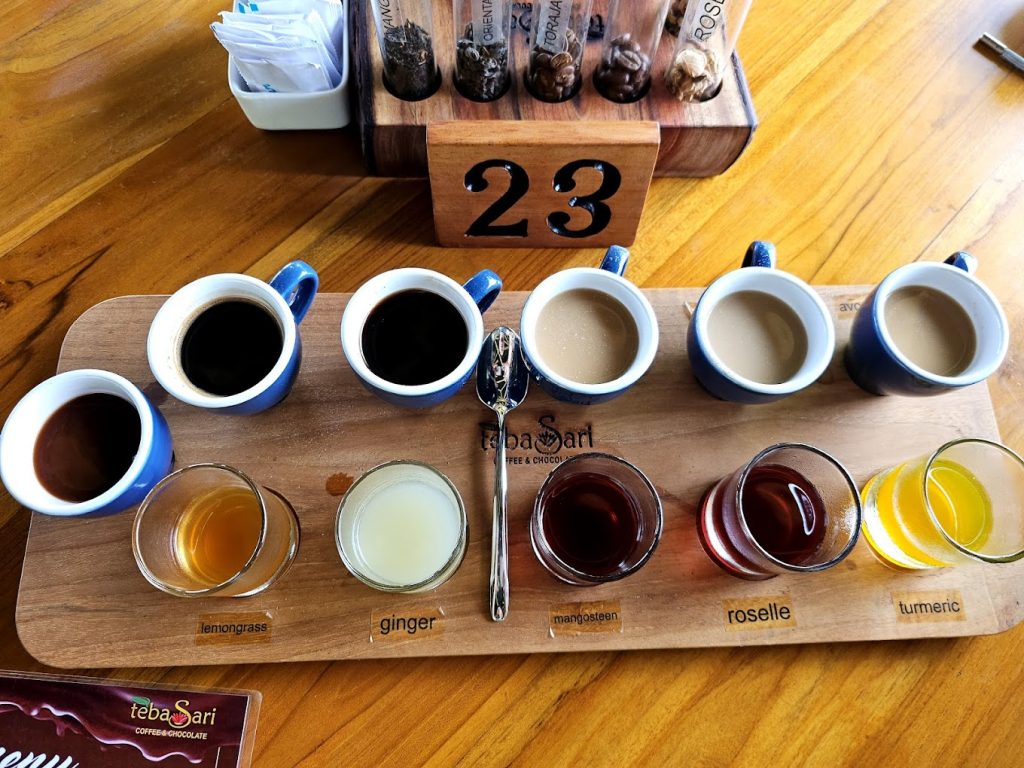
The experience usually concludes with a tasting platter. You get to sample a variety of local infusions, including ginseng coffee, vanilla coffee, lemon tea, and ginger tea. It is a wonderful way to expand your palate and find your new favorite brew. Usually, testing the standard flavors is free, while a cup of authentic Luwak coffee requires a small additional fee.
The Cultural Significance of Coffee in Balinese Life
Coffee is not just a commercial product in Bali but it is also an integral part of daily social life. If you sit at any local stall, you will see residents gathering to discuss their day over a hot cup of Bali Kopi. This dark, finely ground coffee is usually brewed directly in the glass with hot water and plenty of sugar.
Preserving Ancient Agricultural Wisdom
The farming communities around Ubud often utilize a traditional irrigation and management system known as Subak. While this system is most famous for rice terraces, the cooperative spirit extends to coffee farming. Farmers work together to share resources and maintain the ecological balance of the highlands.
Connecting with Warm Balinese Hospitality
When you join a tour, the guides are usually local residents who are incredibly proud of their heritage. They share personal stories about their families and their connection to the land. This human connection makes the tour much more than just a sightseeing activity. It becomes an educational cultural exchange that you will remember long after your vacation ends.
Tips for Planning Your Plantation Visit
To make the most of your journey into the highlands, a little bit of preparation goes a long way. The weather in the hills around Ubud can be slightly cooler and more unpredictable than on the coast.
Choosing the Best Time to Go
The best time to visit a coffee plantation is during the dry season, which typically runs from April to October. Morning visits are highly recommended because the weather is cool and you can avoid the afternoon rain showers. Furthermore, arriving early means you beat the crowds from larger tour buses, giving you a much more peaceful experience.
What to Wear and Bring
Wear comfortable walking shoes because the paths inside the gardens can be steep, muddy, or uneven. It is also wise to bring insect repellent since the tropical foliage attracts mosquitoes. Do not forget your camera because the sunlight filtering through the jungle canopy creates beautiful photography opportunities.
Finding the Best Coffee Experience Near Ubud
While exploring the agricultural side of Bali is wonderful, you will eventually want a comfortable place to relax and process everything you have learned. After a long day of touring the countryside, finding a great culinary spot nearby is the perfect way to unwind.
Combining Nature and Fine Dining
Many travelers look for a venue that combines natural beauty with excellent food. You do not have to travel far from the central tourist areas to find a peaceful oasis. Finding a spot that offers both local charm and international standards can make your trip much more memorable.
Relaxing at Teba Sari After Your Tour
If you want to experience the tranquil beauty of Ubud while enjoying a world-class meal, you should visit Teba Sari. This beautiful venue offers a peaceful dining experience surrounded by nature. It is the ideal place to rest after your cultural adventures and enjoy authentic Balinese hospitality. You can view the menu and book your table directly at tebasari.com.

