
Why Educational Agrotourism Bali is the Future of Sustainable Travel
Bali is famous for its stunning beaches and vibrant nightlife, but a new trend is capturing the hearts of conscious travelers. Today, more people seek a deeper connection with the land through educational agrotourism Bali. This unique form of travel combines leisure with learning, allowing visitors to understand the complex relationship between Balinese culture and the environment. At Teba Sari Resto, we take pride in being a leader in this movement by offering an immersive experience that goes far beyond a typical dining stop.
The Core Concept of Educational Agrotourism Bali
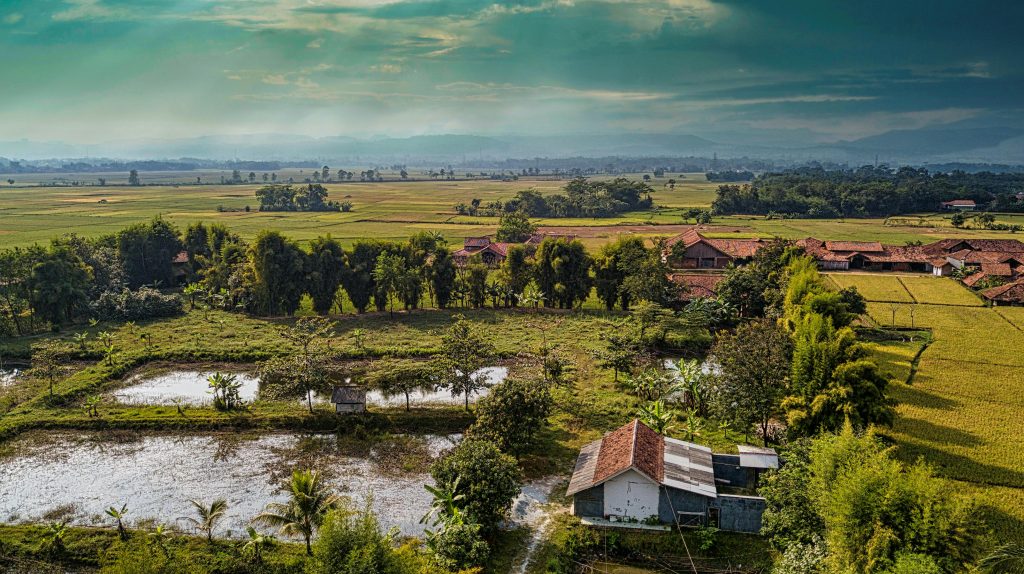
At its heart, this green movement focuses on the preservation of traditional farming methods. For centuries, local farmers have used the Subak system, which is a UNESCO-recognized irrigation method emphasizing community and spiritual harmony. When you participate in educational agrotourism Bali, you are not just looking at plants; instead, you are observing a living philosophy that has sustained the island for generations.
Furthermore, this experience teaches visitors about the diverse flora of the archipelago. From the towering coconut palms to the tiny stalks of lemongrass, every plant has a specific purpose in daily life. Consequently, travelers leave with a newfound respect for the fresh ingredients that appear on their dinner plates. At Teba Sari, we believe that education is the ultimate key to preserving these beautiful landscapes for future generations.
Exploring Local Spices and Tropical Flavors
One of the most exciting aspects of educational agrotourism Bali is the discovery of “Base Gede,” the traditional Balinese spice paste. During a walk through our gardens, guests encounter raw ginger, turmeric, galangal, and cloves in their natural state. Seeing these spices before they are ground into a paste provides a sensory lesson that a standard cookbook simply cannot replicate.
Moreover, understanding the medicinal properties of these plants is a significant part of the journey. Many Balinese families still use “Jamu,” a traditional herbal medicine made from garden-fresh ingredients. Through your visit, you learn how turmeric acts as a natural anti-inflammatory and how lemongrass can soothe the mind. This knowledge successfully bridges the gap between ancient wisdom and modern wellness.
Traditional Farming Techniques and Sustainability
Sustainability is often a buzzword in modern travel, but in the context of educational agrotourism Bali, it is a fundamental way of life. Traditional agriculture on the island relies on organic fertilizers and natural pest control. By observing these methods firsthand, visitors can see how a high-yield garden can exist without the need for harmful chemical interventions.
Additionally, we demonstrate how water management is crucial in a tropical climate. Our guests often find the engineering of the local ponds and irrigation channels absolutely fascinating. Because this type of tourism highlights eco-friendly practices, it inspires travelers to adopt greener habits in their own homes. We believe that witnessing the beauty of a balanced ecosystem is the best way to encourage global environmental protection.
Educational Agrotourism Bali for Families and Schools
Is there a better classroom than nature itself? We certainly think not. This experience is particularly beneficial for children who have grown up in busy urban environments. It offers them a rare chance to see exactly where their food comes from and how much effort goes into cultivating a single harvest.
At Teba Sari Resto, we welcome students and families to explore our vast grounds. Children can see local ducks, observe the koi ponds, and learn about the lifecycle of a rice grain from seed to harvest. This hands-on approach to learning makes educational agrotourism Bali a memorable highlight of any family vacation. It successfully fosters curiosity and a sense of wonder about the natural world that stays with young minds forever.
The Connection Between Agrotourism and Balinese Cuisine
You cannot fully appreciate the local food without understanding the garden. The practice of educational agrotourism Bali provides the necessary context for every meal served at our restaurant. When you taste our crispy duck or grilled seafood, you can immediately recognize the aromas of the plants you just saw growing in our garden.
Furthermore, this “farm-to-table” transparency builds deep trust between the chef and the guest. In a world of processed foods, knowing that your meal is made from fresh, locally sourced ingredients is a true luxury. Therefore, this journey serves as a delicious introduction to the island’s gastronomy. It proves that the best flavors always come from a healthy and well-tended earth.
Photography and Creative Learning in the Garden
Beyond the biological lessons, educational agrotourism Bali offers immense creative inspiration for artists and creators. The symmetry of the rice paddies and the vibrant colors of tropical flowers provide a perfect backdrop for professional photography. Many guests use their time in our garden to practice macro photography or simply to sketch the landscape in their journals.
We encourage our visitors to document their journey and share their findings. However, we also suggest putting the camera down for a few moments to truly listen to the sounds of nature. The rustle of bamboo and the chirping of local birds are essential parts of the experience. These moments of mindfulness are just as important as the factual information you gather along the way.
Why Teba Sari is the Best Place for Agrotourism
Among the many spots on the island, Teba Sari Resto stands out because we combine hospitality with authentic learning. We have meticulously curated our gardens to represent the best of Balinese botany. Our staff is knowledgeable and passionate about sharing the secrets of our land with every visitor who walks through our doors.
Moreover, our location in Ubud makes us easily accessible for those already exploring the cultural heart of the island. We provide a peaceful escape from the busy streets, allowing you to immerse yourself in educational agrotourism Bali without the stress of a long commute. We treat every visitor as a student of nature, ensuring that you leave our grounds with a heart full of peace and a mind full of new knowledge.
How to Plan Your Educational Agrotourism Bali Trip
If you are ready to explore the green side of the island, planning is essential. While we welcome walk-in guests, booking a guided session for your educational agrotourism Bali experience ensures that you get the most value out of your visit. Our guides can provide deeper insights into the specific species and the historical context of our location.
In conclusion, a trip to Bali should be about more than just sightseeing; rather, it should be about growth and understanding. Teba Sari Resto is committed to providing a space where culture, nature, and education intersect perfectly. To book your visit or to learn more about our commitment to educational agrotourism Bali, please explore our website and prepare for an unforgettable journey into the green heart of Ubud.

