
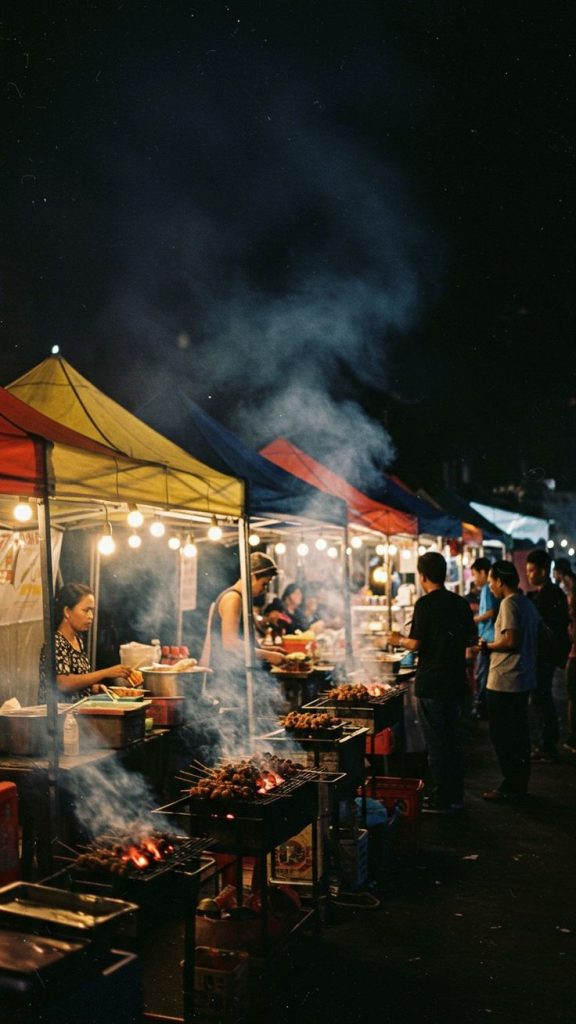
Pengerupukan Night Food Guide A Culinary Journey Through Bali’s Most Vibrant Night
Pengerupukan Night is undoubtedly one of the most exciting times to be in Bali. Occurring just one day before Nyepi (the Day of Silence), this night is filled with energy, music, and the famous Ogoh-Ogoh parades. While the giant statues are the main attraction, the food scene during this celebration is equally spectacular. This Pengerupukan Night Food Guide is designed to help you navigate the bustling streets and find the most authentic flavors available during this unique Balinese ritual.
As the sun sets and the village spirits are ritually chased away, the streets transform into a lively night market. Local communities gather, and with them come dozens of food vendors offering traditional delicacies that you might not find on a regular Tuesday. Understanding what to eat and where to find it will significantly enhance your cultural experience.
The Significance of Pengerupukan Night Food Guide
In Balinese culture, food is more than just sustenance; it is an offering and a communal bond. During Pengerupukan, families often prepare special meals before heading out to watch the parade. However, for visitors and locals alike, the street food stalls (known as Kaki Lima) become the heart of the celebration.
Because the following day is Nyepi where no fires can be lit and no cooking is allowed Pengerupukan is the last chance to indulge in a hot, freshly cooked meal. Consequently, the atmosphere is festive and slightly hurried, creating a “last feast” vibe that is palpable in every village square.
Essential Dishes in Our Pengerupukan Night Food Guide
If you are wandering through the crowds, you will likely be overwhelmed by the aromas of roasting meats and spicy sambals. To make the most of your evening, you should look for these specific traditional items.
1. Babi Guling (Suckling Pig)
While Babi Guling is available year-round, eating it on Pengerupukan feels different. Many local warungs stay open late to cater to the parade participants. The combination of crispy skin, tender meat, and rich basa gede (Balinese spice paste) provides the energy needed to navigate the crowded streets. It is the ultimate comfort food for a long night of festivities.
2. Sate Lilit
No Pengerupukan Night Food Guide would be complete without mentioning Sate Lilit. Unlike typical satay, this version uses minced meat (usually pork, chicken, or fish) mixed with grated coconut and lime juice, wrapped around bamboo or lemongrass sticks. It is easy to eat while standing or walking, making it the perfect “parade food.”
3. Tipat Cantok
For those who prefer a vegetarian option, Tipat Cantok is a staple. It consists of rice cakes (tipat) and boiled vegetables mixed with a rich, aromatic peanut sauce. The sauce is usually ground fresh on a stone mortar right in front of you. You can request your preferred level of spiciness, but be careful Balinese “medium” is often quite hot for the uninitiated!
Traditional Snacks and Desserts to Try
As you follow the Ogoh-Ogoh statues, you will see many vendors selling smaller snacks. These are perfect for keeping your energy up without feeling too full to move through the crowds.
- Laklak: These are small, green Balinese pancakes made from rice flour and flavored with suji leaf. They are typically served with grated coconut and melted palm sugar.
- Pisang Rai: Boiled bananas coated in rice flour and topped with fresh coconut. This snack is light, healthy, and subtly sweet.
- Bakso: Although originally from Java, Bakso (meatball soup) is a favorite street food in Bali. On a humid Pengerupukan night, a hot bowl of savory broth is surprisingly refreshing.
Where to Find the Best Street Food
The best strategy for finding great food during Pengerupukan is to head toward the main village intersections. This is where the Ogoh-Ogoh statues are judged and where the largest crowds gather.
In Denpasar, areas like Puputan Square become a massive hub for foodies. In Gianyar or Ubud, the main roads leading to the palace are usually lined with vendors. However, do not be afraid to explore the smaller banjar (community centers). Often, the most authentic and “best value” food is found where the local youth organizations are raising funds for their parade.
Practical Tips for Your Pengerupukan Night Food Guide
Navigating a Balinese festival requires a bit of preparation. To ensure your experience is enjoyable, consider the following practical advice.
First, always carry small denominations of Indonesian Rupiah. Most street vendors do not accept credit cards or digital payments, and change for large bills can be hard to come by in the middle of a parade. Second, stay hydrated. The combination of tropical heat and large crowds can lead to dehydration quickly. Look for vendors selling fresh young coconuts—they are natural electrolytes and very affordable.
Furthermore, be mindful of the environment. With thousands of people eating on the street, waste management becomes a challenge. Try to dispose of your skewers and wrappers in designated bins to help keep Bali beautiful even during its busiest nights.
Safety and Hygiene for Street Food Lovers Pengerupukan Night Food Guide
A common concern for travelers is “Bali Belly.” While street food is generally safe, especially when cooked at high heat in front of you, a few precautions go a long way. This Pengerupukan Night Food Guide suggests choosing stalls that have a high turnover of local customers. If the locals are eating there, the food is likely fresh and delicious.
Additionally, observe the vendor’s handling of food. If the grilled items are sizzling hot, the heat has likely killed any harmful bacteria. If you have a sensitive stomach, stick to bottled water and avoid ice cubes from smaller, unofficial street carts.
Preparing for the Silence After the Feast
It is important to remember that once Pengerupukan ends and the sun rises the next morning, the entire island will shut down for Nyepi. This means no shops, no restaurants, and no street food for 24 hours.
Experienced travelers use Pengerupukan night to not only enjoy the parade but also to stock up on dry snacks or fruits for the following day. While most hotels provide meals for their guests during Nyepi, having a few extra Balinese treats in your room is always a good idea.
Experience Authentic Bali with Teba Sari
If you want to delve deeper into the culinary traditions of the island beyond the festival night, you should look for experiences that combine nature and flavor. Exploring the lush landscapes of Bali often leads to discovering the best ingredients used in the dishes mentioned in this guide. For a truly immersive experience that captures the essence of Balinese agriculture and taste, you can find more information and book your visit through Teba Sari.

